You know, the world of manufacturing for cold forged bearings is changing pretty fast. According to industry reports, we’re looking at an annual growth rate of about 5.5% through 2026. What’s fueling this? Well, it’s a mix of new tech advances and the growing demand from industries like Automotive and aerospace. Companies are really jumping on the bandwagon now, trying to produce bearings that are not just high quality but also super durable and efficient.
Experts over at Business Wire point out how crucial precision is in the cold Forging process. This method helps make the material stronger and cuts down on waste—pretty cool, right? But, of course, not all manufacturers are smooth sailing. Some still struggle with ramping up production or keeping quality consistent. As the competition heats up, big players like SKF and NTN Bearings are really pushing the envelope, setting new standards in quality and innovation.
Honestly, the journey to perfecting Cold Forged Bearings is far from over. Everyone involved needs to turn their attention to sustainability, alongside keeping things efficient on the factory floor. Improving production techniques constantly is key. As we move through this period of change, there’s a real focus on fresh ideas and rethinking traditional methods in the bearing world. Tackling these challenges head-on will be super important as we get closer to 2026.
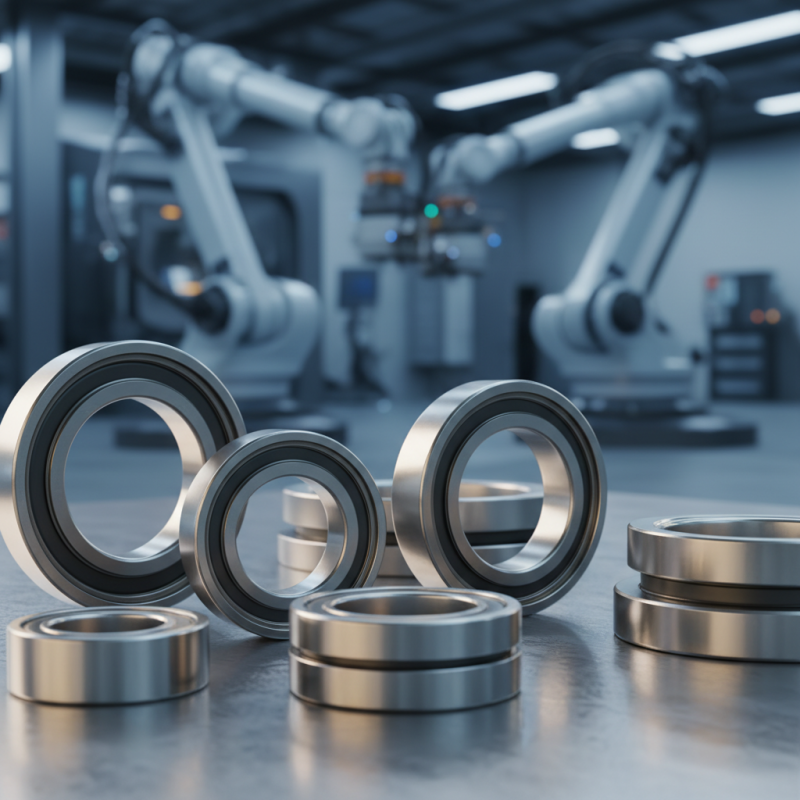
Emerging technologies are reshaping the landscape of cold forged bearings manufacturing. Advances in automation and machine learning are optimizing production efficiency. Companies are utilizing data analytics to monitor processes in real time. This reduces waste and enhances precision. However, the integration of these technologies presents challenges. Workers must adapt to new systems, and training often lags behind technological advancements.
3D printing is also gaining traction in the production of cold forged parts. Rapid prototyping allows for faster design iterations. This can lead to improved performance and reduced lead times. Yet, not all manufacturers are ready to adopt this technology fully. There are concerns about the durability and material properties of 3D-printed components.
Sustainability is another vital trend in cold forged bearings manufacturing. Companies are focusing on energy-efficient processes and eco-friendly materials. However, achieving true sustainability is complex. It requires balancing cost, performance, and environmental impact. As the industry evolves, staying informed and capable of addressing these challenges will be crucial for success.
In recent years, the bearing manufacturing industry has seen a shift towards more sustainable practices. According to the Global Bearing Market report, approximately 35% of manufacturing costs are attributed to raw materials. As companies strive for efficiency, many are reevaluating their supply chains to reduce waste. Cold forging presents a sustainable option, as it produces less scrap metal compared to traditional methods.
Utilizing recycled materials in production is becoming popular. A 2022 survey showed that 60% of manufacturers are prioritizing recycled metals. This move not only conserves resources but also lowers energy consumption. Cold forged bearings crafted from these materials can maintain high-quality standards while minimizing environmental impact. However, this shift calls for ongoing assessments to ensure that quality does not falter.
Moreover, compliance with environmental regulations remains a challenge. Although many firms adopt green practices, inconsistencies in implementation can arise. For example, despite a commitment to sustainability, some manufacturers still rely on energy-intensive processes. These discrepancies underscore the importance of transparent reporting and responsible sourcing in achieving true sustainability in bearing production.
The advancements in materials for cold forged bearings are transforming the manufacturing landscape. New alloys and composites are emerging, enhancing strength and durability. These materials provide improved resistance to wear and tear, making them ideal for high-performance applications. Engineers are constantly exploring innovative solutions to satisfy growing demands.
One notable trend is the use of high-strength steel in cold forged components. This steel is lighter yet stronger, allowing for more efficient designs. However, sourcing consistent quality remains a challenge. Manufacturers must ensure they choose reliable suppliers. Another area of exploration includes advanced polymers that can withstand extreme conditions. These materials are showing promise in various environments.
Cold-Forged Or Cold-Extruded Wheels are also experiencing a materials revolution. Utilizing these new composites can lead to lighter, more efficient components. Yet, the shift toward newer materials must be approached cautiously. Not all options will deliver the expected performance. Testing and validation are crucial steps. The industry must remain vigilant, as not every innovation will prove successful.
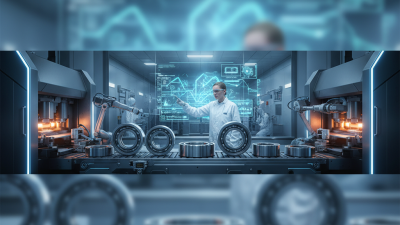
Automation is changing high-quality bearing manufacturing. This shift is evident in the processes of cold forging. Machines equipped with advanced robotics streamline operations, improving efficiency. High precision is vital in bearing manufacturing, and automation helps achieve this. Traditional methods often lead to variability. Automated systems can reduce this inconsistency.
Workers need training to operate these advanced systems. Transitioning to automation can be challenging. There may be resistance from employees accustomed to traditional techniques. However, the benefits often outweigh the initial difficulties. Machinery can work faster and more accurately than human hands. This technology also minimizes human error, crucial in precision manufacturing.
Yet, challenges persist. Over-reliance on automation may hinder creativity in problem-solving. Finding the right balance is essential. Manufacturers must continually assess the integration of automation. As the industry evolves, embracing innovation while valuing human expertise will be vital for success.
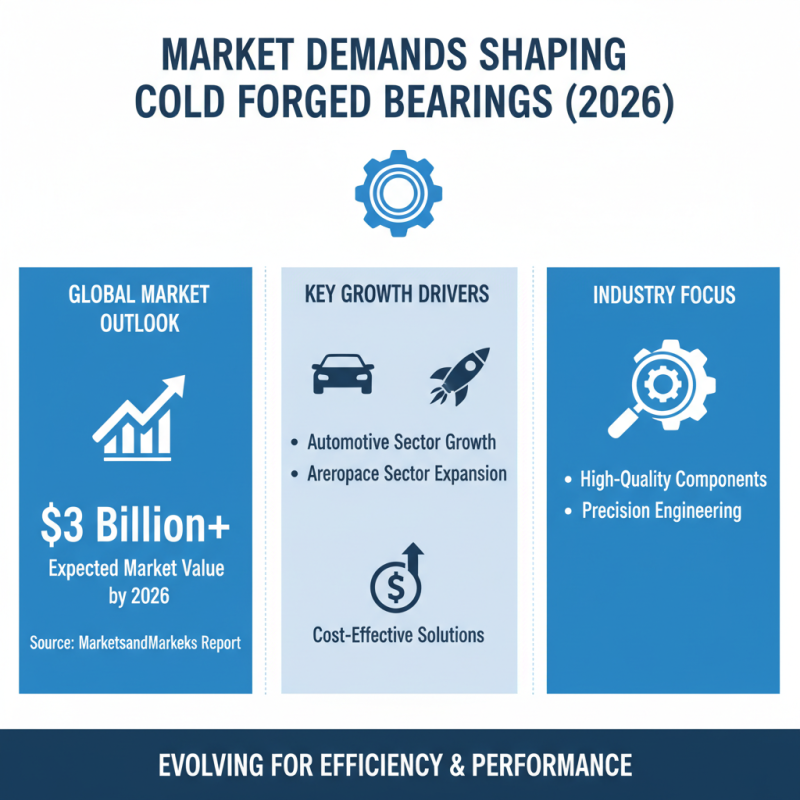
The cold forged bearings industry is evolving rapidly due to changing market demands. According to a recent report by MarketsandMarkets, the global market for cold forged bearings is expected to reach over $3 billion by 2026. This growth stems from increasing applications across various sectors, especially automotive and aerospace. As manufacturers seek cost-effective solutions, the demand for high-quality, precision-engineered components is stronger than ever.
Customization is becoming a key trend. Industries now require bearings tailored to specific operational conditions. These conditions demand enhanced durability and performance. Cold forging processes allow for the production of complex shapes and sizes that meet these unique requirements. Recent data indicates that about 40% of manufacturers plan to invest in automation technologies to boost production efficiency and precision.
Sustainability is another driver. Consumers and companies are now more focused on eco-friendly manufacturing practices. Reports show that over 60% of industry leaders cite sustainability as a priority for development in new products. Yet, challenges remain. Some manufacturers struggle to balance cost and quality while adopting sustainable practices. As market dynamics shift, the road ahead requires continuous adaptation and reflection.
Quality control is essential in the manufacturing of custom cold forged bearings. These components undergo rigorous testing to ensure they meet industry standards. In cold forging, precision is key. Any deviation can affect the bearing's performance and life span. Each batch of bearings must adhere to specific tolerances. Measurements of dimensions, hardness, and surface finish need constant monitoring.
One important aspect is the inspection of raw materials. High-quality steel contributes significantly to the durability of cold-forged bearings. Experienced manufacturers emphasize sourcing from reliable suppliers. Moreover, regular audits of the forging process help maintain product consistency. Testing methods like ultrasonic inspection and X-ray are implemented to detect internal flaws.
Tips for ensuring quality include: always keep a detailed log of production metrics. This data helps identify patterns or potential issues. Regularly update training for operators on best practices. Lastly, foster a culture of accountability within teams. This encourages individuals to not only meet standards but also share insights on improving the process. In manufacturing, like with Cold-Forged Or Cold-Extruded Bushing, every detail matters. Quality cannot be an afterthought; it must be ingrained in every step.
The future of bearing design and production is rapidly evolving. Innovations focused on cold forging techniques are reshaping the industry. These advancements enable manufacturers to create high-quality, custom bearings with enhanced durability and precision. The increase in demand for reliability in mechanical systems drives this change. As a result, engineers are exploring new materials and design methodologies.
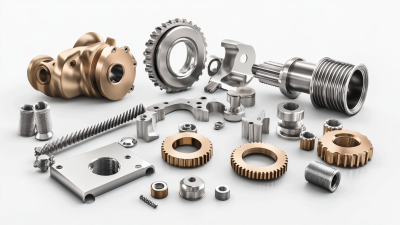
Recent trends show a shift towards lightweight designs. Manufacturers are integrating advanced alloys to reduce weight without sacrificing strength. This shift enhances energy efficiency, particularly in automotive and aerospace applications. The use of Other Cold Forgings/Cold-Forged Parts also contributes to this trend, offering manufacturers a choice of versatile components.
Despite these developments, challenges remain. The complexity of new designs often requires significant investment in technology and training. Some manufacturers struggle to keep up with these shifts. Adapting to evolving market demands can be difficult. It warrants a careful balance between innovation and practicality. The industry must remain flexible and responsive to survive and thrive in this fast-paced environment.
| Trend | Description | Impact on Manufacturing | Future Prospects |
|---|---|---|---|
| Smart Manufacturing | Integration of IoT and AI for real-time monitoring and optimization. | Increased efficiency and reduced downtime. | Enhanced production forecasting and inventory management. |
| Sustainability Initiatives | Adoption of environmentally friendly materials and processes. | Lower carbon footprint and appeal to eco-conscious consumers. | Continued investment in renewable resources and recycling. |
| Customization Technologies | Advancements in 3D printing for tailored bearing solutions. | Ability to meet specific customer needs more effectively. | Greater market competitiveness and customer satisfaction. |
| Data Analytics | Use of big data to analyze performance and predict failures. | Improved product reliability and maintenance scheduling. | Enhanced decision-making processes across the supply chain. |
| Lightweight Materials | Incorporation of advanced composites and alloys. | Reduction in weight while maintaining performance. | Opportunities in aerospace and automotive sectors. |
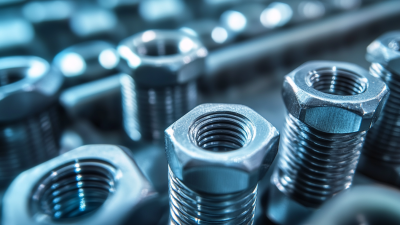
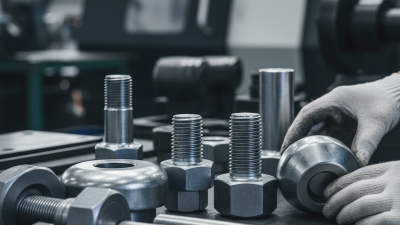
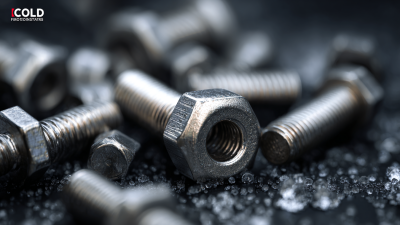
Cold-forged and cold-extruded screw blanks are revolutionizing modern manufacturing by offering unmatched advantages in producing mechanical fasteners. Unlike traditional manufacturing methods, cold forging and extrusion shape raw materials under stress without the need for heat. This cold process not only enhances the mechanical properties of the material but also results in a remarkably fine surface finish and superior dimensional tolerance. These characteristics are crucial when producing screws, bolts, and other fasteners that require precision and reliability in demanding applications across various industries.
Additionally, the cold forging and extrusion process is incredibly cost-effective. Minimal material waste occurs during production, making it an environmentally friendly option while also lowering material costs for manufacturers. This efficiency allows for higher production rates and ensures that the resulting screw blanks can meet the high demands of industries such as automotive and aviation, where the integrity of fasteners directly impacts safety and performance. As manufacturers continue to seek ways to optimize their operations, the benefits of cold-forged and cold-extruded screw blanks will undoubtedly play a significant role in the evolution of mechanical fastener production.
: Automation improves efficiency and precision in bearing manufacturing. It reduces variability and enhances production speed.
Workers may resist automation due to their familiarity with traditional methods. Training is crucial to ease this transition.
Precision ensures high performance and longevity of bearings. Any deviation can lead to performance issues.
Customization, sustainability, and cost-effective solutions are key trends shaping the market. Demand for tailored components is rising.
Regular testing and monitoring of tolerances are essential. Sourcing quality materials and conducting audits are also critical.
Sustainability is increasingly a priority. Over 60% of leaders emphasize eco-friendly practices in product development.
Keeping detailed logs of production metrics helps identify issues. Regular training and accountability can enhance quality.
Over-reliance on automation may stifle problem-solving creativity. Balancing automation with human input is important.
The industry is expected to grow significantly. Continuous adaptation to market demands and innovation is necessary.
Challenges exist in aligning cost with quality, especially when adopting sustainable practices. Ongoing reflection is key.
The article "2026 Top Trends in Custom High Quality Cold Forged Bearings Manufacturing" explores the pivotal advancements shaping the future of cold forged bearings. It highlights emerging technologies that enhance manufacturing processes, alongside sustainable practices that emphasize environmental responsibility in high-quality bearing production. Advancements in materials are examined, revealing new possibilities for improved performance and longevity of cold forged bearings.
The role of automation is also critical in streamlining production and ensuring quality control standards that meet increasing market demands. As industry requirements evolve, the article discusses how these trends will influence future innovations in bearing design and production, setting the stage for a robust growth trajectory in the cold forged bearings market by 2026.